


Description
Author(s):Sam W. Wiesel
PDF: 96.8 MB
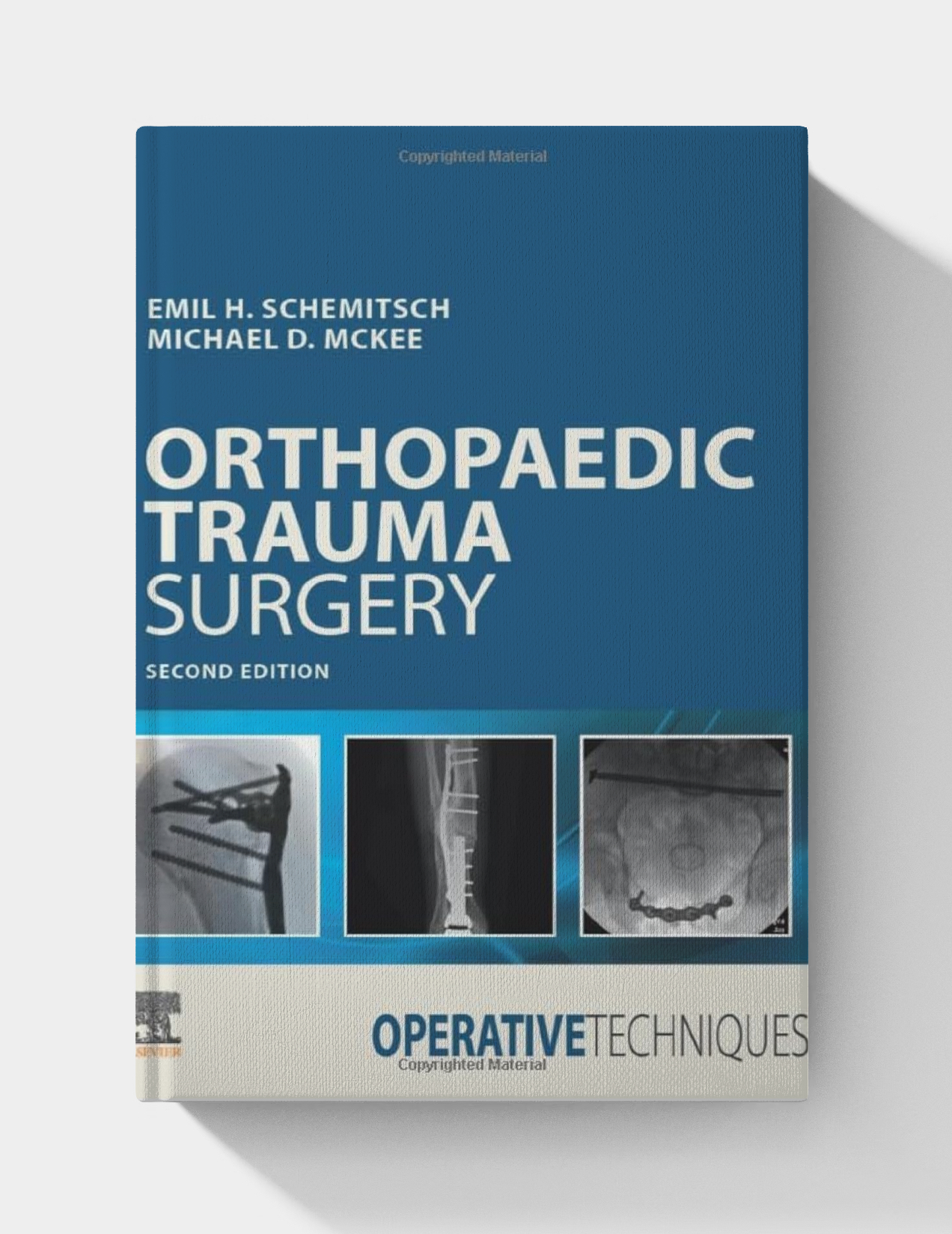
The Operative Techniques: Orthopaedic Trauma Surgery (2nd Edition) is a comprehensive guide that focuses on step-by-step procedures for managing orthopedic trauma. With its emphasis on operative techniques, this book is an indispensable resource for orthopedic surgeons and residents specializing in trauma surgery. The second edition has been updated with the latest advances in the field, ensuring practitioners have access to current best practices.
Top Features:
- Step-by-Step Operative Guidance:
Detailed instructions for a wide range of trauma procedures, from simple fractures to complex reconstructive surgeries. - High-Quality Visuals:
Over 1,500 illustrations and photographs provide clear insights into surgical anatomy and techniques. - Coverage of Modern Techniques:
Includes minimally invasive and advanced fixation techniques to reflect the latest developments in orthopedic trauma care. - Comprehensive Topics:
Covers fractures and injuries of the upper extremity, lower extremity, pelvis, and spine with precision. - Pitfalls and Tips:
Each chapter includes troubleshooting advice and techniques for avoiding complications. - Evidence-Based Updates:
Incorporates the latest research and clinical guidelines for trauma care. - Expert Contributions:
Written by leading orthopedic trauma surgeons from around the world, ensuring diverse and authoritative perspectives. - User-Friendly Layout:
Organized into concise, digestible sections with key points for quick reference during clinical practice. - Essential for Education and Practice:
A valuable resource for both trainees learning surgical techniques and seasoned surgeons refining their practice.
PDF Preview
Kristin –
Highly recommended for trauma fellows.
Nicole Pinheiro Moreira –
It’s incredibly comprehensive, covering all aspects of trauma care
Nikki Morton –
It’s not just about knowing how to do the procedure, but also about how to avoid common mistake
Karim.Soubhi –
The second edition reflects the latest advancements in the field, including minimally invasive techniques and advanced fixation methods. It’s a great way to stay on top of evolving practices.